
 Guest Writer
 By Michel Wouterse, Guest Writer / SNUBA SXM
Sint Maarten rewards travelers who leave room in the day for one experience rather than racing through five. From the marina edge of Philipsburg, the sea is not simply a view; it is a second landscape. A good underwater day therefore begins before anyone puts on a mask. It starts with a realistic plan, a calm arrival, and enough time to notice how the island changes as the road, waterfront, and harbor give way to open water. This route is written for first-time visitors who want a memorable introduction to that landscape without turning the whole day into a checklist.
TABLE OF CONTENT
- Start with the harbor, not a stopwatch
- Let the first underwater breath arrive slowly
- Return to Philipsburg with time left in the day
Start with the Harbor, not a Stopwatch
Begin with water, breakfast, and a little patience. Philipsburg can look compact on a map, but traffic, ship movements, and the ordinary pace of an island morning deserve respect. Plan to arrive early enough that a delayed taxi or a wrong turn does not become the emotional center of the day. Visitors arriving by cruise ship can walk toward Bobby’s Marina in roughly ten minutes at an easy pace; travelers staying elsewhere on the island should allow extra road time, especially when several ships are in port.
The marina is useful as a transition point. You can watch working boats, crews preparing for the day, and the steady exchange between town and sea. That pause matters for first-time underwater guests. Nervousness often grows when every instruction feels rushed. A few quiet minutes on the waterfront gives the mind time to catch up with the plan: meet the guide, listen carefully, ask the practical questions, and let the equipment become familiar before entering the water.
Because sea conditions and departure times can change, use the SNUBA SXM booking calendar to check current availability rather than building the day around an old timetable. A typical guided experience takes about two to two and a half hours from welcome to goodbye, including briefing, practice, and the underwater portion. That is long enough to feel substantial, but short enough to leave the afternoon open.
Pack lightly: swimwear, a towel, drinking water, and reef-conscious sun protection are the essentials. Keep valuables to a minimum. More important than any packing list is an honest conversation about comfort and health. A responsible guide should make room for questions, explain participation requirements clearly, and never treat hesitation as something to be embarrassed about.
Let the First Underwater Breath Arrive Slowly
SNUBA sits between snorkeling and scuba in a way that is easy to understand once you see the equipment. The air supply remains on a floating raft at the surface, while the participant breathes through a regulator connected by a lightweight hose. There is no heavy tank on the back and no scuba certification is required for eligible beginners. The experience remains shallow and guided, with mask, fins, harness, and regulator doing the practical work while the guest concentrates on breathing and looking around.
The useful secret is that the first breath should not be dramatic. It should be ordinary. Exhale, inhale, listen to the bubbles, and stay where the guide can read your body language. Most of the lesson happens in those first few moments: the regulator keeps delivering air, the surface is close, and there is no prize for descending faster than your comfort allows. Guests age eight and older may be eligible, but age is only one part of participation; current requirements and any medical questions should always be reviewed before the activity.
Return to Philipsburg with Time Left in the Day
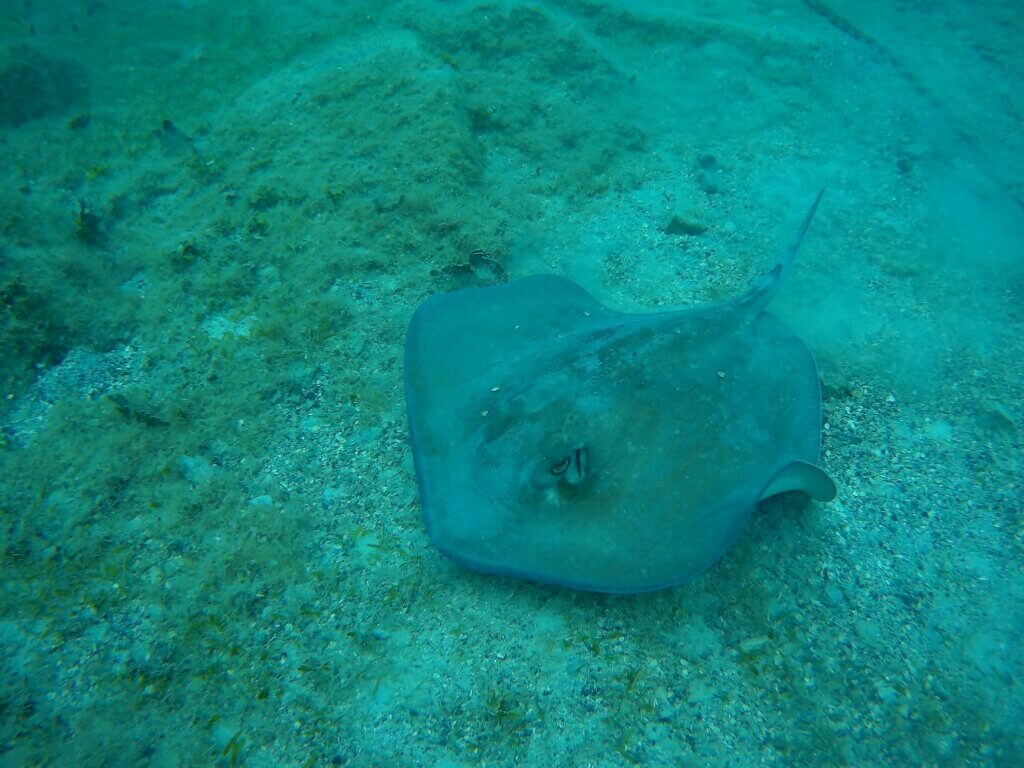
Once the rhythm settles, the shallow underwater landscape begins to feel less like a challenge and more like a place. Fish move through the frame without regard for anyone’s schedule. Mooring structures, reef growth, sand, and shafts of sunlight give the route a sense of scale. The best moments are often small: recognizing that you have stopped thinking about the regulator, noticing another participant relax, or seeing a familiar shoreline from an unfamiliar depth.
Afterward, resist the urge to fill every remaining hour. Dry off, have something to drink, and give the group time to talk. First-time guests often remember different parts of the same route, and those differences are part of the pleasure. One person notices the sound of breathing; another remembers the fish; someone else is simply proud of having stayed calm. That conversation turns an excursion into a shared travel story.
Philipsburg is close enough for a relaxed continuation. Walk the waterfront, choose lunch based on appetite rather than a rigid itinerary, or spend time along the boardwalk before returning to the ship or accommodation. Keep the final commitment of the day flexible. Wind, water, traffic, and tired children all have opinions, and a good island plan leaves space for them.
For cruise visitors, preserve a generous return margin and follow ship time instructions. For guests staying on Sint Maarten, the afternoon can stretch more easily, but the same principle applies: the underwater portion should be the anchor of the day, not a reason to rush through everything around it.
Conclusion
An underwater day in Sint Maarten does not need to be complicated. Arrive with time to spare, listen to the briefing, let the first breath be slow, and leave part of the afternoon unclaimed. The result is not merely an activity completed; it is a different way of reading the island – from harbor edge to shallow sea and back again.
Disclosure: Michel Wouterse is the owner of SNUBA SXM and writes from the perspective of a local underwater-tour operator.
About the Author
Michel Wouterse has lived and worked in Sint Maarten’s underwater tourism community since 2008. He is the owner of SNUBA SXM and writes about first-time underwater experiences, small-group guiding, and the practical details that help visitors enjoy the sea with confidence.