 Guest Writer
By Aaqib Yatoo, Travel Nerve Kashmir, Guest Writer
There is a distinct moment on the drive north from Srinagar where the noise of modern life simply drops off a cliff.
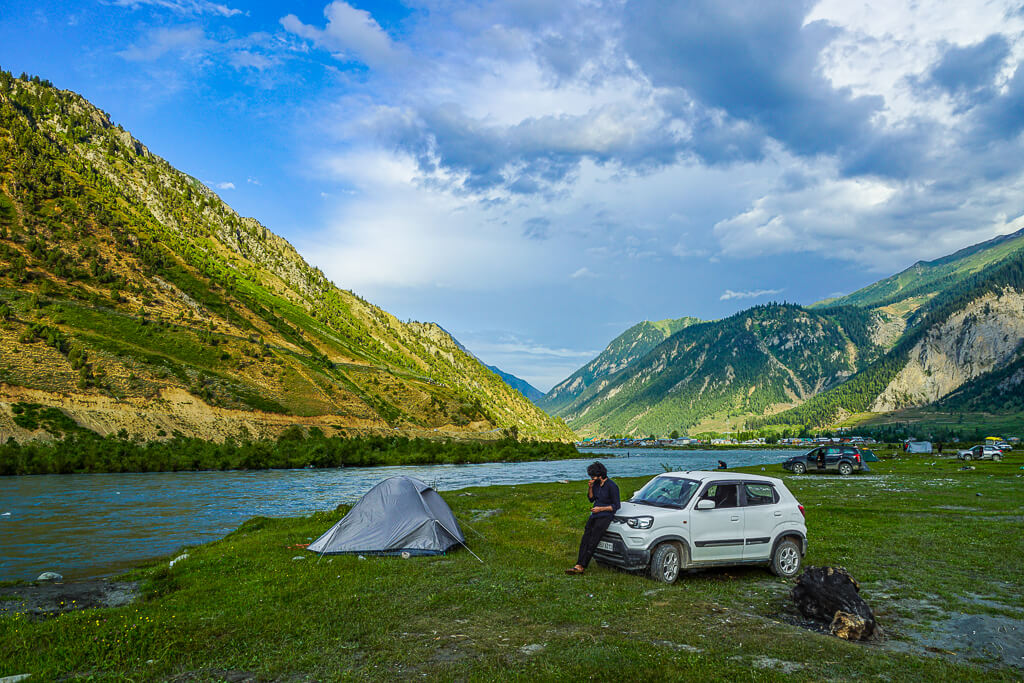
It happens just past the razorback crest of Razdan Pass, sitting at roughly 11,600 feet above sea level. One minute you are looking back at the sprawling green basin of the Kashmir Valley; the next, the road narrows into a ledge of loose shale and wind-battered dirt, dropping steeply into a deep canyon carved by the turquoise Kishanganga River. Ahead lies Gurez—a high-altitude valley wedged so tightly against the Line of Control that, for decades, it remained closed off to outside travelers.
I took this road late last spring, trading cell service and predictable paved highways for dust, military checkposts, and the raw silence of the Himalayas. What I found was a pocket of the subcontinent that feels completely detached from the rush of the 21st century.
The Crossing Over Razdan
Reaching Gurez is not a leisurely joyride; it is an expedition that requires patience and a sturdy set of tires. The journey from Srinagar takes around six to seven hours, winding past Wular Lake before beginning a grueling climb up switchbacks lined with dense fir forests.
Crossing Razdan Pass is an emotional reset. At the summit, prayer flags flutter violently against sub-zero mountain gusts, offering panoramic views of snow-dusted ridges rolling endlessly into northern Pakistan. The air is razor-thin, carrying the clean, sharp scent of melting snowpack and wild pine. From here, the descent into Gurez reveals a stark, dramatic landscape: towering limestone crags, cascading glacial streams, and narrow river flats where mountain goats graze along ancient trading trails that once formed an offshoot of the historic Silk Road.
Dawar and the Legend of Habba Khatoon
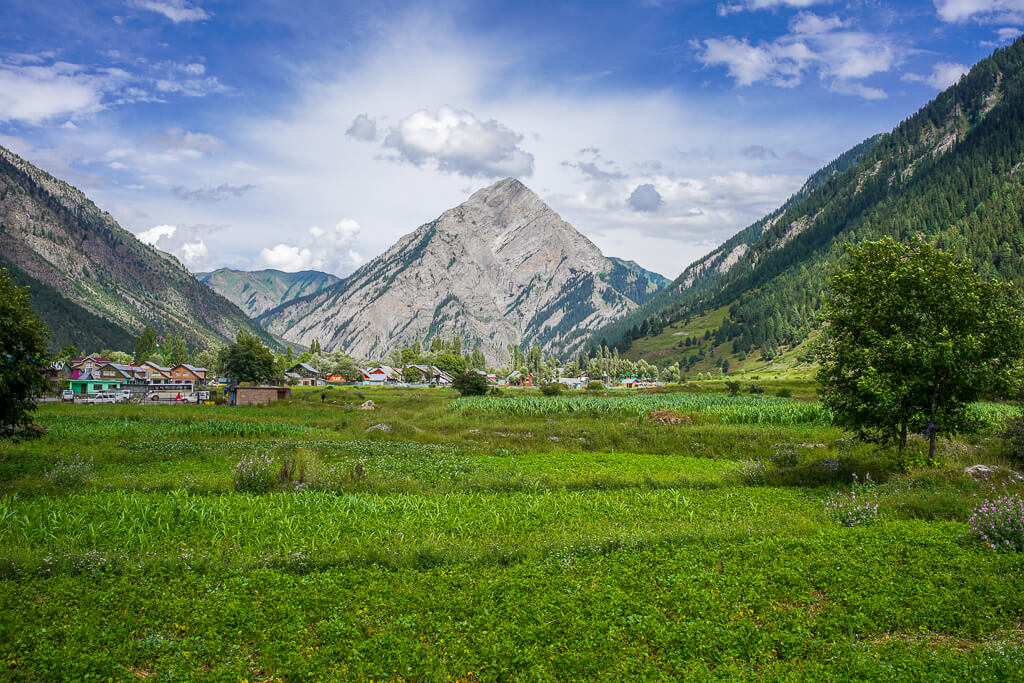
The cultural heartbeat of Gurez is Dawar, a humble settlement scattered across the river basin. The moment you step into the village, you notice the distinct architecture: two-story homes hand-built with dovetailed pine timber and mud mortar, designed to withstand fifteen feet of winter snow.
Towering directly over Dawar is a gigantic, pyramid-shaped peak known as Habba Khatoon. The mountain is named after Kashmir’s legendary 16th-century peasant-poetess, who spent her days wandering these riverbanks mourning the exile of her beloved king. Watching the sunset cast amber and violet hues against the sheer rock face of the mountain, while woodsmoke drifts up from village chimneys, is a humbling experience. It is the kind of quiet that makes you put your camera down and simply breathe.
Unlike mainstream tourist hubs lined with souvenir vendors, life in Dawar moves to the rhythm of daylight. The people here belong to the Dard-Shin community, speaking Shina—an ancient Indo-Aryan dialect. Walking down the dirt lanes, hospitality is instinctive. Within twenty minutes of wandering near the riverbank, an elder invited me onto his veranda for piping-hot Noon Chai (traditional salted pink tea) and crisp local bread, eager to hear stories about where I had traveled from and proud to share the history of his valley.
Exploring Tulail: Into the Wilderness
If Dawar feels remote, heading deeper east along the Kishanganga toward the Tulail Valley feels like crossing into another era entirely.
The dirt track snakes through tiny hamlets like Barnoi, Sheikhpora, and Badugam. Here, electricity is sparse, relying on mountain sun and small generators, and the river runs so clear you can count the stones five feet below the surface.
Traveling here comes with real logistical friction. You will stop at multiple military checkpoints, present government identity cards, log your vehicle details, and exchange polite small talk with soldiers stationed far away from their homes. But far from being intimidating, these interactions reveal the unique warmth of border life. More often than not, an officer will offer you a tin mug of sweet Indian army tea while checking your paperwork, wishing you safe travels along the rugged mountain passes.
What Gurez Teaches the Modern Traveler
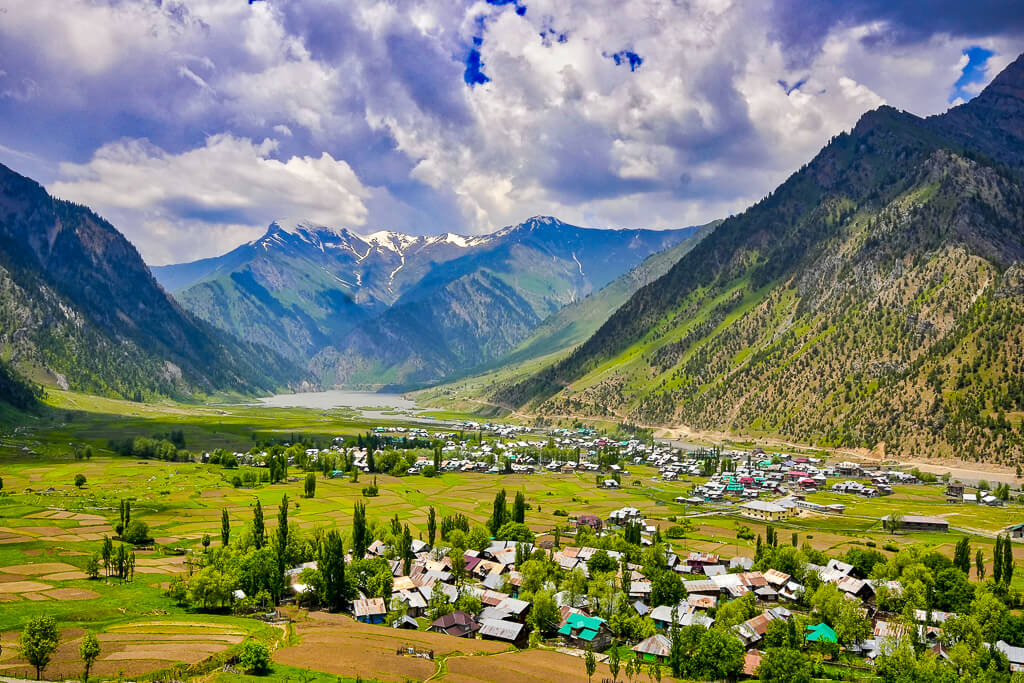
Travel in places like Gurez strips away the curated polish of modern tourism. There are no five-star luxury resorts or high-speed cafes here. Your shower depends on a wood-fired water heater, your meals are home-cooked dal and locally foraged mountain greens, and your evening entertainment is watching the star-dusted Milky Way arch over jagged mountain peaks.
It reminds you that the most enriching travel experiences rarely come from smooth, effortless itineraries. They come from the rough roads, the unpaved detours, the spontaneous conversations with people whose lives look entirely different from your own, and the rare gift of standing in a corner of the world where nature still sets the terms.
About the Author
Aaqib Yatoo is a native Kashmiri traveler and the founder of Travel Nerve Kashmir, a regional travel outfit dedicated to responsible, slow travel across the valleys of Kashmir and Ladakh. When he isn’t exploring off-grid mountain routes and historic passes, he writes about raw Himalayan landscapes and local mountain cultures.